
Launch of Kampi ya Samaki Fluoride Free Future Water Project
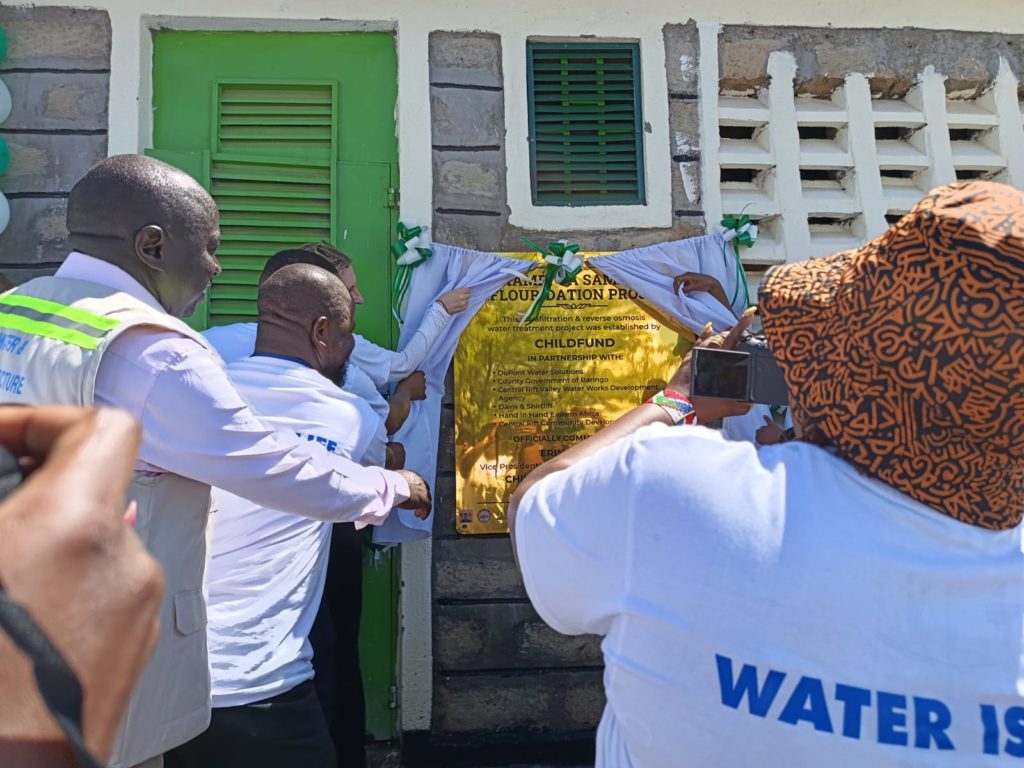
Hand in Hand Eastern Africa was proud to be part of the official launch of the Kampi ya Samaki Fluoride Free Future Water Project in Baringo County in Aril 2026.. This transformative initiative is currently underway and promises to change lives by providing safe, filtered water to the community.
Diani Zero Plastic Pollution Festival 2026: A Celebration of Sustainability

At Kongo Beach in Diani, we proudly joined partners, communities, government agencies, and environmental champions to mark World Environment Day and World Oceans Day through the Diani Zero Plastic Pollution Festival 2026. This vibrant gathering showcased collective action against plastic pollution while advancing sustainable solutions for coastal resilience.
Hand in Hand Eastern Africa Entrepreneurs Featured at FINAS 2026 Summit

Hand in Hand Eastern Africa proudly participated in the Financing Agri Food Systems Sustainably (FINAS) June 2026 Summit, Africa’s premier platform for advancing sustainable financing in agriculture and food systems.
Turmus Cooperative Slaughterhouse Opens in Eldoret

This facility is more than infrastructure; it is part of the Social and Economic Empowerment Project, which since 2023 has improved the wellbeing of 3,600 bottom of the pyramid members and 650 accelerated members. By strengthening producer groups, creating market linkages, and promoting hygienic slaughter practices, the slaughterhouse offers a replicable model for rural agribusiness growth. It also protects public health and builds consumer confidence in locally produced meat.
Hand in Hand Eastern Africa Showcased Impact at Techarena 2026

Today, Maureen runs a growing chain of beauty salons in Nairobi, employing eleven staff. On stage in Stockholm, she declared with confidence: “I am a proud business woman.”
From Small Steps to Big Strides: The Journey of Mwangaza Poultry CBO

After conducting a participatory rural appraisal, the group members decided to promote the poultry value chain, specializing in egg production, chick hatching, selling, and brooding.
A Herbal Medicine of the Past with a Bright Future

HIHEA provided the CBO with a disc mill, enabling them to process, package, and brand their chamomile, significantly increasing its market value. Despite facing marketing challenges due to the need for certification, one dedicated CBO member underwent certification training at KIRDI, and their chamomile now awaits certification. This endeavor has equipped members with new skills in value addition, crop diversification, and organic farming techniques, which they have applied to their personal farms as well.
From Field to Feed: Rise of the Silage Bailing Business

Hand in Hand Eastern Africa provided the group with extensive training based on its core modules and specialized training on various nodes of the dairy value chain. Seizing this opportunity, the group began planting boma rhode grass, initially used as hay for their livestock and sold as surplus to the community.